Beyond Harajuku: Your No-Nonsense Guide to Japan's Most Magical Kawaii Destinations
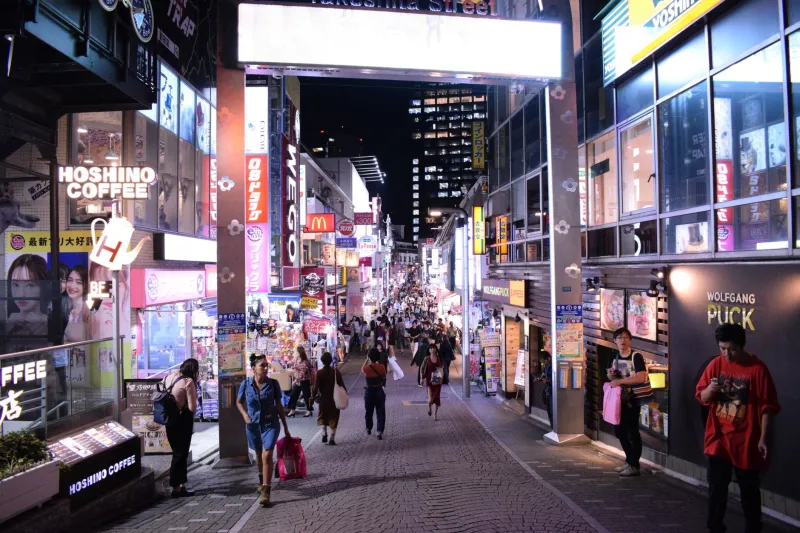
Let's be honest: you've already Googled "kawaii things to do in Tokyo" about forty-seven times. And every single result sends you to Takeshita Street, the Sanrio flagship, and maybe a maid café. Don't get us wrong — those places are genuinely fun. But if you're a real kawaii enthusiast, Japan has so much more to offer, and most of it never makes it onto the tourist circuit.
Whether this is your first trip or your third, here's how to actually experience Japan's kawaii culture without burning your budget on overpriced tourist traps or coming home with merch you could have ordered on Amazon.
Start Smart: Timing Your Trip
Before you book anything, think about when you're going. Japan's kawaii retail scene runs on seasonal releases and collaboration events. Late January through March is golden — new-year collections are hitting shelves, and major brands like Sanrio and Bandai roll out limited-edition items that won't make it to US stores. Summer Comiket (held in August) is a must for anyone into doujinshi and indie art goods, but book your accommodations months in advance because Tokyo fills up fast.
If you're on a tighter schedule, avoid Golden Week (late April to early May) unless you enjoy shoulder-to-shoulder crowds at every single shop you want to visit.
Tokyo Done Right: Skip the Obvious, Find the Gold
Yes, visit Harajuku. But then walk past it. Shimokitazawa, just a few train stops away, is a neighborhood full of vintage clothing shops, indie toy stores, and tiny boutiques that sell handmade character goods you genuinely cannot find anywhere else. It's got a slightly scruffier, more bohemian energy than Harajuku, and the prices reflect that in the best possible way.
Koenji is another neighborhood worth your time. It's been a hub for Tokyo's alternative fashion scene for decades, and you'll find second-hand shops stacked with older Sanrio goods, vintage Sailor Moon merch, and early-2000s Lolita pieces that collectors back home would lose their minds over.
For the serious figure and collectible hunters: Nakano Broadway. This multi-story shopping complex is basically a cathedral for collectors. It's less polished than Akihabara's main drag, which means the prices are often more reasonable and the inventory is genuinely surprising. Go on a weekday morning if you can — weekends get chaotic.
Osaka and Kyoto: Underrated Kawaii Territory
Tokyo gets all the attention, but Osaka's Den Den Town is a legitimate rival to Akihabara for anime goods and collectibles, and it tends to be cheaper. The neighborhood also has a handful of crane game arcades (UFO catchers) that are stocked differently than their Tokyo counterparts — meaning you have a real shot at winning stuff you haven't seen before.
Kyoto might seem like an odd addition to a kawaii travel guide, but hear us out. The city has a thriving craft culture, and several shops near the Nishiki Market area sell character goods designed with traditional Japanese aesthetics — think Hello Kitty in kimono prints, or Totoro rendered in Nishijin textile styles. These make for genuinely unique souvenirs that feel meaningful rather than mass-produced.
Budgeting Like a Pro
Here's the part nobody talks about enough: you will spend more than you planned on merchandise. Accept this now and budget accordingly. A realistic breakdown for a kawaii-focused trip might look like this:
- Daily spending money for shops: Set a hard daily limit, maybe $50–$80 USD equivalent in yen, and stick to it. It's easy to blow through $200 in a single Nakano Broadway visit without even noticing.
- IC Card: Get a Suica or Pasmo card at the airport and load it up. Train travel between kawaii hotspots adds up, and this makes it seamless.
- Extra luggage: Budget for either an extra checked bag on your return flight or a takuhaibin (luggage forwarding service) to ship purchases home. Several services cater specifically to tourists and are surprisingly affordable.
Pro tip: 100-yen shops like Daiso and Can Do in Japan are not the same as their US locations. The character goods sections alone are worth a dedicated visit, and you can often find officially licensed Sanrio and Pokémon items for the equivalent of a dollar.
Authentic Merch vs. Tourist Bait
Here's how to tell the difference quickly: if a shop is within three blocks of a major tourist landmark and has its prices displayed in English and dollars, you're probably paying a markup. That doesn't mean you can't shop there — convenience has value — but for the best deals and the most authentic finds, wander a few streets off the main drag.
Look for shops that cater primarily to Japanese customers. The staff might not speak much English, but Google Translate's camera function handles most signage just fine, and most shop staff are genuinely patient with tourists who are clearly there because they love the culture.
One Last Thing Before You Go
Learn a handful of phrases. Not because you'll need them to survive — Japan's tourist infrastructure is excellent — but because walking into a small shop, picking up a plushie, and saying kawaii desu ne with genuine enthusiasm will get you a smile that makes the whole trip feel real. That's the thing about kawaii culture: it's not just an aesthetic. It's a way of paying attention to the world, of finding delight in small, carefully made things.
Japan built that culture. Going there to experience it firsthand — even the chaotic, expensive, jet-lagged version of it — is kind of everything.