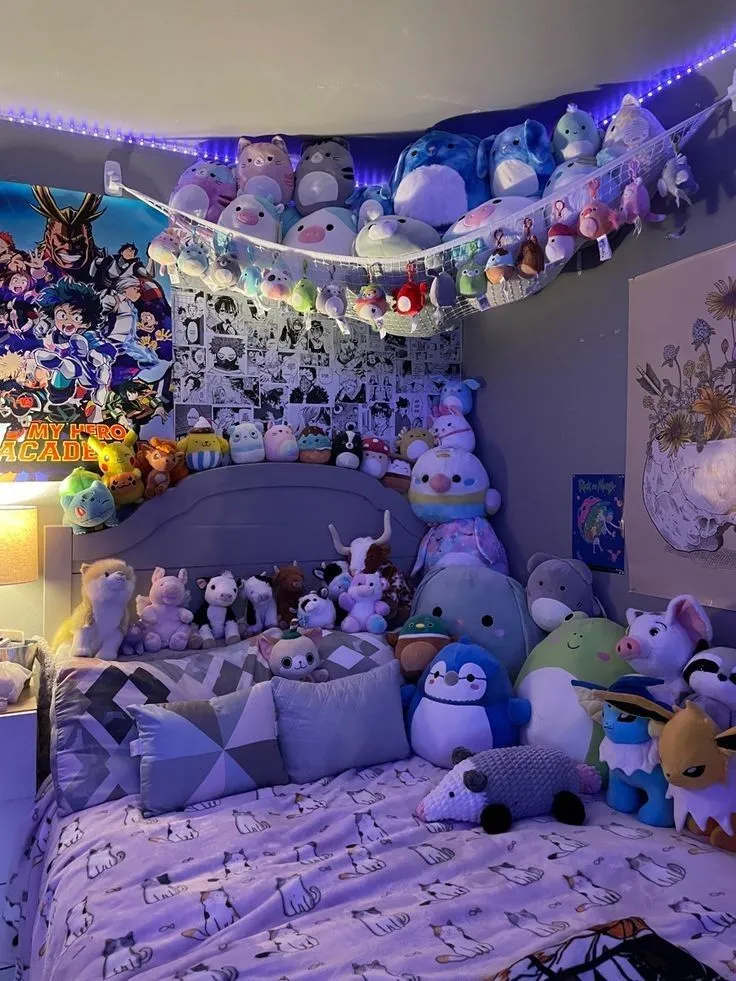
Cute Is the New Cool: How Kawaii Aesthetics Took Over Mainstream Fashion

Photo by Photo by Dragonfly Ave on Unsplash on Unsplash
Not too long ago, wearing a pastel bow-covered cardigan or carrying a plushie keychain on your designer bag might have earned you a double-take at the mall. Today? It might just mean you're ahead of the trend cycle. Kawaii aesthetics — rooted in Japanese pop culture and built on a love of softness, playfulness, and unapologetic cuteness — have quietly infiltrated the mainstream fashion world in a way that's hard to ignore.
And we are absolutely here for it.
From Harajuku to High Street
The pipeline from Japanese street style to Western runways isn't new, but it's accelerating. Over the past few years, brands that have never once referenced anime or Sanrio have started releasing collections dripping in pastel palettes, rounded silhouettes, cartoon-adjacent graphics, and accessories that look like they belong in a claw machine — in the best possible way.
Think about it: when Simone Rocha collaborated with H&M back in 2021, the collection was practically a love letter to doll-like dressing, complete with puff sleeves, floral appliqués, and a general vibe that screamed "main character in a magical girl anime." It sold out in hours. That wasn't a fluke — it was a signal.
Fast-fashion giants like Zara and ASOS have since leaned into the kawaii-adjacent look with collections featuring strawberry prints, cloud motifs, and accessories that your inner child would absolutely lose it over. Meanwhile, luxury houses including Moschino, Marc Jacobs, and even Valentino have embraced the power of play, referencing everything from childhood nostalgia to anime color theory on their runways.
Why Cuteness Is Having Its Moment
Trend forecasters have a lot of theories about why kawaii is dominating right now, and honestly, most of them make a lot of sense.
First, there's the emotional context argument. After several years of collective stress and uncertainty, people are craving comfort and lightness in every corner of their lives — including their wardrobes. Cute fashion is, at its core, optimistic. It says: the world is a little overwhelming, but I'm going to wear a sweater with a bunny on it and feel better about it.
Second, Gen Z's relationship with irony and nostalgia has shifted the cultural conversation. Where millennials once felt pressure to dress "grown up" in order to be taken seriously, younger consumers are actively rejecting that framework. Wearing something childlike isn't a statement of immaturity — it's a deliberate aesthetic choice, a form of self-expression that prioritizes joy over convention.
Third — and this one is huge — anime and Japanese pop culture have gone fully mainstream in the US. When Demon Slayer is breaking box office records, when Pokémon is a multi-billion-dollar global empire, and when every other person you know is watching a Studio Ghibli film on a Friday night, the visual language of those worlds starts to feel familiar and aspirational rather than niche.
The Collab Economy Is Kawaii-Coded
One of the most visible signs of kawaii's mainstream crossover is the explosion of brand collaborations. These partnerships used to feel like novelty items — a limited-edition Hello Kitty lip gloss here, a Pikachu sneaker there. Now they're full-on fashion moments.
Gucci tapped Doraemon (yes, the beloved Japanese manga robot cat) for a Lunar New Year collection that featured the character across leather goods, ready-to-wear, and accessories. It wasn't treated as a quirky side project — it was front-page fashion news. Levi's has done multiple anime collaborations. Vans has released Studio Ghibli and Pokémon collections that resell for double their retail price. Even Coach has leaned into playful character motifs that echo the kawaii spirit, even when they're not directly referencing Japanese IP.
The message from the fashion industry is clear: cute sells, and it sells well.
Where to Shop the Kawaii Crossover Right Now
The best part about kawaii going mainstream? You can find it at literally every price point. Here's a quick guide to building a kawaii-influenced wardrobe without committing to one specific budget.
Budget-Friendly (Under $50) Target's in-house brands — particularly Wild Fable and A New Day — have been quietly releasing pieces with pastel colorways, cloud prints, and accessories with a distinctly playful energy. SHEIN and Romwe, while requiring careful quality vetting, carry massive kawaii-inspired selections. Old Navy's graphic tee section occasionally features licensed anime prints too, especially around major franchise anniversaries.
Mid-Range ($50–$200) Urban Outfitters consistently stocks kawaii-adjacent pieces, from pastel patchwork denim to plushie bags that feel ripped straight from a Tokyo boutique. Free People has been experimenting with dreamy, fairycore-meets-kawaii silhouettes. For footwear, keep an eye on Vans and New Balance collab drops — they happen regularly and sit right in this price range.
Investment Pieces ($200+) If you're ready to splurge, Marc Jacobs' Heaven line is practically a kawaii manifesto — anime graphics, nostalgic references, and candy-colored everything. Coach's Tabby bag in pastel shades has become a subtle kawaii status piece. And if you can catch a Gucci or Valentino sale, their more playful seasonal pieces are absolutely worth the hunt.
Styling Kawaii for Everyday Life in the US
One thing we hear a lot from Kawaii Haven readers is the hesitation to "go full kawaii" in everyday American contexts — whether that's a workplace, a college campus, or a family event. Here's the thing: the mainstream crossover has made this so much easier.
You don't have to commit to a full Harajuku coord (though we fully support you if you do). A pastel cardigan over a work outfit, a character keychain on your everyday bag, or a pair of cloud-print socks peeking out from under your jeans — these are low-stakes entry points that tap into the kawaii energy without requiring a total wardrobe overhaul.
The most stylish version of kawaii dressing in the US right now is integration, not costume. It's about letting a piece of that joyful, playful spirit into an otherwise ordinary outfit and watching it completely change the vibe.
The Bigger Picture
What's happening with kawaii in mainstream fashion isn't a trend in the traditional sense — it's a values shift. Consumers, especially younger ones, are increasingly drawn to brands and aesthetics that feel emotionally resonant, culturally connected, and just a little bit fun. Kawaii delivers all three.
And as Japanese pop culture continues to weave itself deeper into the fabric of American entertainment and lifestyle, the visual language that comes with it — the pastels, the characters, the softness, the sparkle — is only going to feel more natural in everyday fashion contexts.
So the next time someone asks why you're wearing a sweater with a little bear embroidered on the sleeve, you can tell them: it's not just cute. It's a movement.