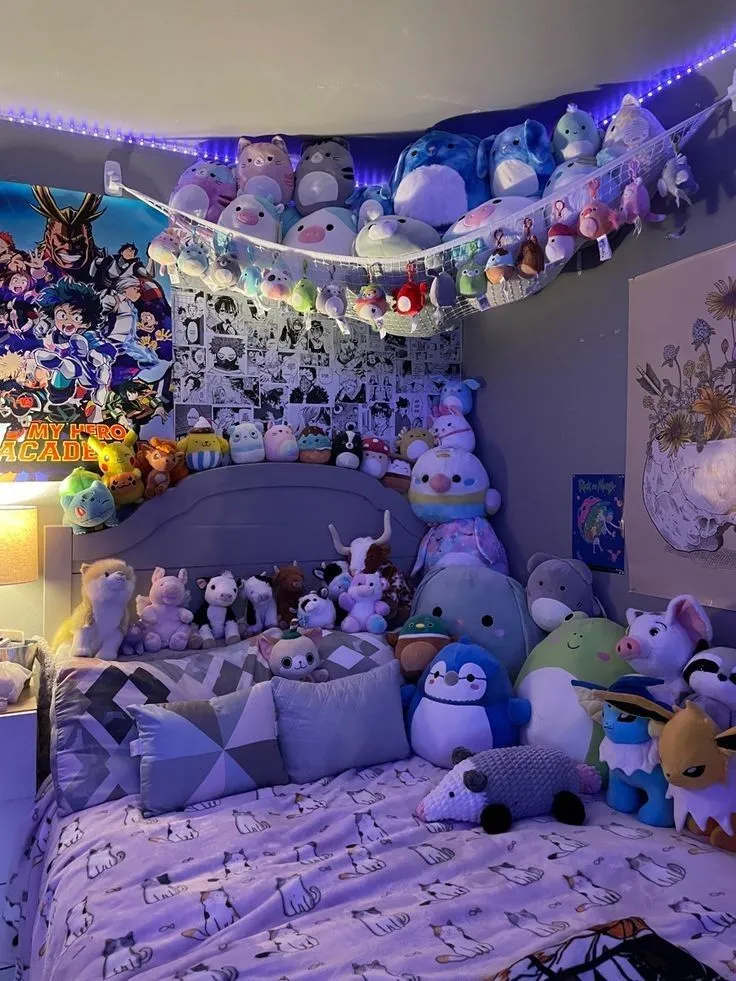
Don't Let the Cute Fool You: The Real Storytelling Power Behind Kawaii Anime
Let's be honest about something. When a lot of Americans first encounter kawaii anime — the pastel visuals, the oversized eyes, the characters with names like Usagi and Kero and Pikachu — the instinct is to file it under 'kids' stuff' and move on. It looks light. It looks simple. It looks, frankly, adorable.
And that instinct is wrong in a way that's worth talking about.
Because beneath the soft aesthetics and the cheerful color palettes, some of the most genuinely moving, socially aware, and narratively ambitious storytelling of the last three decades has been delivered through exactly these kinds of shows. The cuteness isn't a distraction from the depth — in many cases, it's the vehicle for it.
The Aesthetic Is the Point
To understand why kawaii anime works the way it does, you have to understand what the kawaii aesthetic is actually doing on a design level. Cute visuals — round shapes, soft colors, expressive faces — are disarming. They lower your guard. They signal safety and approachability in a way that harder-edged aesthetics don't.
And that's a storytelling tool.
When Cardcaptor Sakura wraps a story about a ten-year-old navigating loneliness, complicated family dynamics, and the weight of responsibility in the most pastel, sparkle-filled package imaginable, it's not accidental. The visual warmth creates an emotional space where young viewers — and plenty of adults — can engage with genuinely heavy themes without feeling overwhelmed. The cute is the container. The story is what's inside.
This is something that Western animation has historically been less comfortable with. American kids' content has often defaulted to either full-on fantasy escapism or Very Special Episode seriousness, rarely trusting the audience to hold both at once. Kawaii anime, almost as a rule, does both simultaneously — and it pulls it off.
Sailor Moon and the Franchise That Changed Everything
It's impossible to talk about kawaii anime's narrative depth without spending real time on Sailor Moon. When it reached US shores in the mid-90s — heavily edited, dubiously localized, airing in early morning syndication slots — it still managed to completely rewire how a generation of American kids thought about female characters in animated stories.
Sailor Moon herself, Usagi Tsukino, is not a typical hero. She's emotional, she cries constantly, she fails her tests, she's boy-crazy, and she's occasionally kind of a mess. And she saves the world anyway. Not despite those qualities — sometimes because of them. Her empathy, her refusal to stop caring, her deep emotional expressiveness — these are framed as genuine strengths in a way that was radical in Western children's media at the time.
The show also handled themes of sacrifice, mortality, and identity in ways that genuinely surprised viewers who came in expecting something fluffy. The original Japanese arc endings, which American audiences later discovered through fansubs and eventually official releases, were even more unflinching. Characters died. Real consequences landed. The cute packaging made those moments hit harder, not softer.
Pokémon: More Than a Merchandising Machine
Pokémon is easy to dismiss as pure product. And yes, the franchise is one of the most successful commercial enterprises in history. But the original anime, and the games that run alongside it, carry a surprisingly earnest through-line about friendship, growth, and what it means to pursue a goal for its own sake rather than for external validation.
Ash Ketchum spent 25 years of broadcast anime not winning the World Championship — and the show treated that ongoing journey as the whole point. His relationships with his Pokémon, the way he approaches battles with empathy rather than dominance, the recurring theme that how you treat others (human and creature alike) defines who you are — these aren't incidental. They're the moral core of the whole thing.
For millions of American kids who grew up with Pokémon, these were their first animated stories about perseverance without guaranteed reward, about friendship across difference, and about the idea that becoming a better version of yourself matters more than winning. That's not nothing. That's actually a lot.
The Underrated Complexity of Slice-of-Life Kawaii
Beyond the big action franchises, there's a whole corner of kawaii anime that gets even less credit for its storytelling sophistication: the slice-of-life genre. Shows like Yotsuba&! (in manga form), Sweetness and Lightning, and Non Non Biyori operate in a register so gentle, so visually soft, that they can seem like nothing is happening.
But what's actually happening is a close, careful examination of everyday human experience — the texture of ordinary life, the small kindnesses that hold communities together, the way grief and joy coexist in quiet moments. These stories argue, through their very structure, that mundane life is worth paying attention to. That's a philosophical stance, and it's one that resonates deeply with US audiences who are increasingly exhausted by the relentless escalation of prestige TV drama.
The kawaii aesthetic in these shows isn't just decoration. It's an argument: softness is not weakness. Gentleness is not emptiness.
Why Western Audiences Are Finally Getting It
Something has shifted in how American pop culture engages with anime over the last decade, and kawaii franchises are a big part of that conversation. The mainstreaming of anime fandom — accelerated by Crunchyroll, Netflix's anime investments, and the sheer cultural footprint of events like Anime Expo in LA — has brought new audiences to these stories with fresh eyes and fewer preconceptions.
Social media has also helped. When a Cardcaptor Sakura scene goes viral on TikTok because it handled a queer relationship with more nuance than most prestige American dramas, people notice. When threads break down the emotional complexity of a Sailor Moon arc, people engage. The conversation is happening, and it's long overdue.
Kawaii anime earned its place in serious cultural discussion a long time ago. The rest of us are just catching up.
The Takeaway
Next time someone glances at your screen, sees the pastel colors and the big expressive eyes, and assumes you're watching something shallow — you don't have to explain yourself. But if you want to, you've got a pretty solid case.
The most enduring kawaii franchises didn't build multigenerational, globally passionate fanbases because they were empty. They did it because they told the truth about what it feels like to be human — to be lonely, to love deeply, to fail and keep going — and they did it in a visual language so warm and inviting that the truth could actually land.
That's not a trick. That's craft.