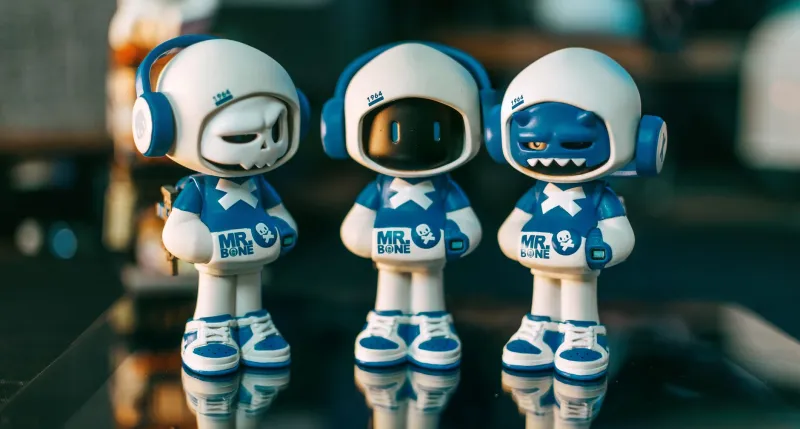
Cute but Counterfeit: How Fake Sanrio and Knockoff Ghibli Merch Are Scamming Kawaii Fans Across America

Photo by Photo by Adrianna Rae on Unsplash on Unsplash
You spot a Totoro plushie in a TikTok Shop listing. The price is almost suspiciously good — like, way better than anything you've seen on an official retailer. The photos look decent enough. You tap "Buy Now" and wait two weeks for a package that arrives smelling vaguely of plastic and disappointment. The stitching is crooked, the colors are off, and there's no licensing tag anywhere on the thing.
Welcome to the counterfeit kawaii problem — and trust us, it's a much bigger deal than most fans realize.
The Scale of the Knockoff Market
Counterfeit merchandise is nothing new, but the kawaii and Japanese pop culture space has become a particularly ripe target in recent years. As demand for Sanrio characters like Hello Kitty, Cinnamoroll, and Kuromi has exploded in the US — driven largely by nostalgia, anime fandom, and aesthetic culture on social media — so has the supply of unauthorized knockoffs trying to cash in.
According to the US Customs and Border Protection, intellectual property rights seizures have consistently ranked toys, electronics, and apparel among the top counterfeit categories. Japanese character goods fall squarely in that zone. Sanrio alone holds trademarks on dozens of characters and licenses tightly controlled manufacturing partners. Studio Ghibli is famously even more restrictive — the studio has a well-documented history of refusing to license merchandise it doesn't control directly. Which means if you're seeing a suspiciously cheap Spirited Away figurine from a third-party Amazon seller with a three-word brand name you've never heard of, that's a red flag the size of a No-Face costume.
Why Amazon and TikTok Are Ground Zero
Both platforms have created ecosystems that make counterfeit goods disturbingly easy to sell and surprisingly hard to remove. Amazon's third-party marketplace model — where virtually anyone can create a seller account and list products — has long been criticized for enabling knockoff vendors. The platform uses a system called "commingled inventory" where products from multiple sellers get stored together in fulfillment centers, which means even if you buy from an authorized seller, you might receive a counterfeit unit that was mixed in.
TikTok Shop is newer to the game but already drawing serious scrutiny. The platform's algorithm rewards viral product videos, and counterfeit sellers have figured out that slick unboxing content gets clicks regardless of whether the product is legitimate. Some creators don't even know they're promoting fakes — they receive PR packages from counterfeit operations and post honest-seeming reviews without realizing the product they're holding has no official licensing behind it.
"I genuinely thought I was reviewing a real Sanrio collab," one collector and small-time content creator told us, asking to remain anonymous. "The packaging looked so close to official stuff. It wasn't until a follower in the comments pointed out that the specific character color was wrong that I even questioned it. I felt awful."
Red Flags Every Collector Should Know
So how do you protect yourself? Experienced collectors have developed a sharp eye for the tells, and they were generous enough to share what they look for.
Pricing that doesn't add up. Official Sanrio merchandise, Ghibli goods, and licensed anime collectibles have baseline production and licensing costs baked in. If a plushie is selling for $4.99 when comparable official items retail for $20-35, something is off. Counterfeits cut costs by skipping licensing fees entirely.
Missing or vague branding. Authentic Sanrio products will have clear licensing information, typically printed or tagged directly on the item. Ghibli merchandise sold in the US through authorized retailers like Benelic or GBL will have official branding. If a product just says "cute cartoon plush" with no character name or brand acknowledgment, that's intentional — using the actual character name without a license is a legal liability.
Third-party sellers on Amazon with no reviews or brand presence. A seller with 47 reviews, a name like "SweetCuteShop2024," and listings for 300 different character products is not an authorized retailer. Cross-reference with official brand websites, which typically list authorized US sellers.
Color and proportion inconsistencies. Sanrio characters have extremely specific official color palettes and body proportions. Cinnamoroll's ears curve a particular way. My Melody's hood fits just so. Collectors who know these characters intimately can often spot fakes in photos, but casual buyers usually can't — which is exactly what counterfeiters count on.
TikTok Shop listings with no brand verification badge. TikTok has rolled out some brand verification features, but they're inconsistently applied. If a shop is selling Ghibli merch and there's no verified brand presence, proceed with serious caution.
Why Enforcement Is Such a Mess
Here's the frustrating part: everyone kind of knows this is happening, and it's still not getting fixed fast enough. Sanrio and Studio Ghibli both have legal teams that pursue IP violations, but the sheer volume of counterfeit listings makes whack-a-mole enforcement feel almost futile. A listing gets taken down; three more appear the next day under different seller accounts.
Both Amazon and TikTok have brand registry programs that give IP holders tools to report and remove listings, but the burden largely falls on the rights holders themselves to actively monitor and flag violations. For smaller Japanese studios or indie kawaii creators without dedicated legal resources, that's an enormous ask.
US customs intercepts a portion of counterfeit shipments, but much of the fake merch arrives through small parcel exemptions — individual packages shipped directly to consumers — which are much harder to screen than bulk commercial shipments.
The Real Cost Beyond Your Wallet
It's tempting to think of a $6 fake Totoro as a victimless shortcut, but the downstream effects are real. Every counterfeit sale is revenue that doesn't reach the animators, designers, and licensing partners who made those characters possible. It devalues authentic collectibles in the secondary market. And for collectors who care deeply about building genuine, curated collections — the kind of people who know the difference between a Nakajima plushie and a knockoff — receiving a fake is genuinely demoralizing.
"I've been burned twice now," said one collector from the Pacific Northwest who's been building a Sanrio collection for six years. "The second time I was so careful, I checked everything. But the listing photos were clearly stolen from an official product, so of course it looked legit. I'm way more paranoid now, and honestly it's taken some of the fun out of browsing online."
That loss of joy — the anxiety of not being able to trust a listing — is maybe the most insidious cost of all in a community built entirely around delight.
Shop Smarter, Protect the Cute
The best defense is buying from authorized retailers. For Sanrio, that means places like Sanrio's own website, BoxLunch, Hot Topic's officially licensed sections, and verified specialty importers. For Studio Ghibli goods in the US, GKIDS (the official North American distributor) and their retail partners are your safest bet. For anime merch broadly, sites like Crunchyroll Store, Right Stuf (now Crunchyroll), and established importers like AmiAmi and CDJapan ship internationally and deal in licensed goods.
And when in doubt — ask the community. Kawaii collector forums, Reddit communities like r/sanrio and r/ghibli, and dedicated Discord servers are full of people who can authenticate a product from a single photo. The collective knowledge in these spaces is genuinely impressive, and most collectors are happy to help a fellow fan avoid getting burned.
The cute stuff deserves to be real. Your collection deserves better than a knockoff.