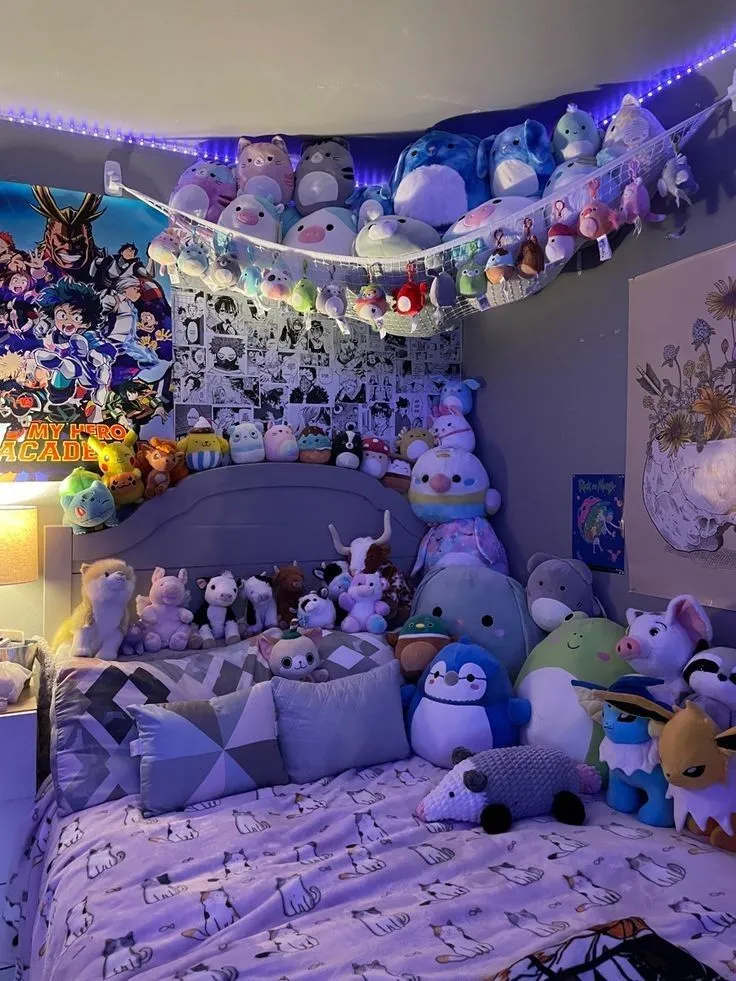
Cute Is Big Business: How Kawaii Culture Is Quietly Reshaping American Retail and Social Media
Photo: ウィ貴公子, CC BY-SA 4.0, via Wikimedia Commons
Walk into a Target, scroll through your Instagram Explore page, or browse the checkout lane at Five Below, and something starts to feel a little different lately. There are rounded fonts, pastel color palettes, wide-eyed mascots, and an almost aggressively cheerful energy radiating from product displays and sponsored posts alike. It doesn't happen by accident. American retail and social media are in the middle of a full-on kawaii moment — and the business strategy behind it is a lot more calculated than it looks.
From Subculture to Shelf Space
Kawaii — the Japanese concept of cuteness rooted in innocence, softness, and charm — spent decades as a beloved niche in the US. Anime conventions, import shops, and dedicated online communities kept the culture alive and thriving, but it largely stayed in its lane. That started changing noticeably around 2020, and the pace has only accelerated since.
Retailers like Hot Topic, Spencer's, and BoxLunch had already been dipping into anime and Japanese pop culture merchandise for years. But the real signal of mainstream arrival came when mass-market giants started paying attention. Target launched dedicated kawaii-adjacent product lines featuring characters like Hello Kitty and Cinnamoroll. Walmart began stocking Sanrio accessories alongside its standard seasonal displays. Even Amazon's algorithm started surfacing kawaii home goods and stationery to shoppers who'd never once searched for the word.
The shift wasn't purely cultural — it was data-driven. Gen Z and younger millennials, both massive consumer demographics, have grown up with anime on Netflix, Pokémon in their pockets, and Japanese streetwear on their Pinterest boards. Retailers noticed that cute, character-driven products were outperforming expectations in categories from stationery to kitchenware to apparel. When something sells, shelves get reorganized around it.
The Social Media Accelerant
If retail gave kawaii culture a physical home in America, social media gave it a megaphone. TikTok in particular has been a rocket ship for cute aesthetics. The platform's algorithm rewards visual novelty and emotional resonance — two things kawaii content delivers in abundance. Unboxing videos featuring Japanese snack subscriptions, hauls from Miniso or Daiso, and "room transformation" content built around pastel décor regularly rack up millions of views.
Creators who built audiences around kawaii content found themselves with genuine influence. A single viral video of someone organizing their Sanrio stationery collection can send a specific product into sold-out territory within 48 hours. Brands noticed. Sponsorships followed. Now, kawaii-adjacent creators are a legitimate marketing channel that companies like Loungefly, Crunchyroll, and even mainstream cosmetics brands actively court.
Instagram and Pinterest have played their own supporting roles, functioning as mood boards for the aesthetic and driving sustained interest in kawaii-inspired home décor, fashion, and lifestyle content. The visual nature of kawaii — all those satisfying color combinations and irresistibly round character designs — translates perfectly to image-based platforms.
Why Brands Are Leaning In
The business logic isn't complicated, but it is interesting. Cute mascots and kawaii-inspired branding accomplish something that traditional marketing often struggles with: they create emotional attachment. When a brand has a character — think the way Duolingo's owl has taken on a chaotic, meme-able life of its own — consumers develop a relationship with it that goes beyond the product itself.
Several American companies have started borrowing directly from this playbook. Food delivery apps, banking startups, and even healthcare platforms have quietly softened their visual identities, rounding out logos, introducing mascot characters, and shifting toward warmer, more approachable color palettes. It's not always labeled as "kawaii," but the aesthetic DNA is unmistakable to anyone paying attention.
Trend analysts point to a broader cultural moment as context. After years of stark minimalism dominating design — think the great beige-ification of every direct-to-consumer brand between 2015 and 2020 — consumers are hungry for personality and warmth. Kawaii delivers both in a way that feels fresh rather than retro.
The Authenticity Question
Not everyone is celebrating the mainstreaming. Within dedicated kawaii and Japanese pop culture communities, there's a real conversation happening about what gets lost when a subculture gets absorbed into mass retail. The concern isn't just about aesthetics being watered down — it's about cultural context being stripped away entirely.
Kawaii culture in Japan is deeply tied to specific social dynamics, fashion movements, and artistic traditions. When an American big-box retailer slaps a wide-eyed cartoon on a tote bag and calls it a day, something gets flattened. The richness behind the aesthetic — the Harajuku street fashion scenes, the decades of character design history, the way kawaii intersects with Japanese concepts of childhood and nostalgia — doesn't make it onto the product tag.
For dedicated collectors and fans, the distinction between authentic engagement with the culture and surface-level trend adoption matters. It's why communities around specific brands like Sanrio, Ghibli, or niche Japanese indie artists tend to be so knowledgeable and particular. The depth is part of the point.
What It Means for Shoppers
For everyday consumers, the mainstreaming of kawaii has some genuine upsides. Products that once required a trip to a specialty import store or an international shipping wait are now accessible at the local mall or with two-day delivery. Awareness of Japanese pop culture has grown, which creates more entry points for people to discover the deeper world behind the aesthetic.
The flip side is that the market is noisier now. Not everything labeled "kawaii" actually connects to the culture in any meaningful way — some of it is just marketing language attached to a pastel color palette. For anyone looking to build a real collection or genuinely engage with the aesthetic, a little discernment goes a long way.
The best approach is probably the one this community has always taken: follow your genuine interests, seek out the creators and brands that actually care about the culture, and don't let the fact that something got popular at Target diminish your love for it. Mainstream attention didn't invent kawaii, and it won't define it either.
The Bigger Picture
Kawaii culture's expansion into American retail and social media is one chapter in a much longer story about how Japanese pop culture has woven itself into the fabric of everyday life in the US. It's been happening for decades — from the original Pokémon craze to the global dominance of Studio Ghibli films — and the current retail moment is just the latest expression of something that was always going to find its audience here.
The brands that will do it well are the ones that treat the aesthetic with genuine respect rather than as a trend to exploit before moving on. And the consumers who'll get the most out of it are the ones who use the mainstream moment as a doorway into something deeper — because trust us, the rabbit hole of kawaii culture is very, very worth going down.